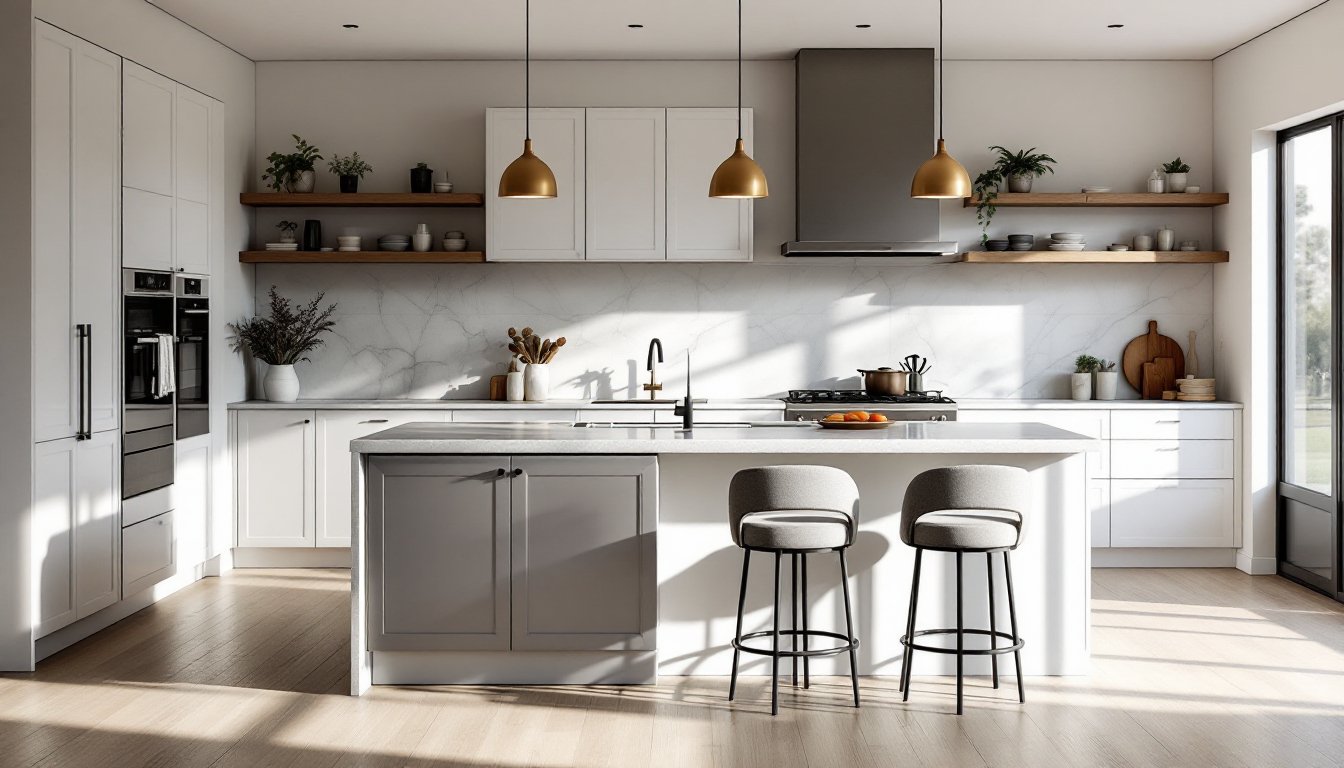
Many homeowners face a common challenge: they want an island for food prep and entertaining, but lack the square footage for both a full kitchen island and a separate dining table. A kitchen island dining table combo solves this problem elegantly. By merging these two functions into one fixture, you gain counter workspace, storage, and casual seating without consuming extra floor space. This hybrid approach works in everything from tight galley kitchens to open-concept layouts, making it an increasingly popular choice for modern home design. Whether you’re renovating or furnishing a new home, understanding how to select, install, and style an island dining table helps you maximize functionality while creating a gathering spot that’s both practical and inviting.
Table of Contents
ToggleKey Takeaways
- A kitchen island dining table solves space constraints by merging food prep, dining, and storage into one multifunctional fixture, eliminating the need for separate pieces.
- Proper measurement is critical—plan for at least 3 feet of clearance on all sides and ensure the eating bar overhang extends 12–15 inches to accommodate comfortable seating.
- Material choice impacts durability and maintenance; quartz and granite offer low-maintenance performance, while butcher block and laminate provide budget-friendly alternatives with tradeoffs.
- Anchoring your island to the floor prevents tipping, especially in high-traffic kitchens, and all electrical or gas hookups require adherence to local building codes.
- Design elements like waterfall edges, open shelving, and pendant lighting transform your kitchen island dining table into a stylish gathering hub that enhances both function and home value.
- Prioritize seat comfort by selecting stools with back support and footrests for extended use, ensuring your island becomes an inviting space for both dining and entertaining.
What Is a Kitchen Island Dining Table?
A kitchen island dining table is a freestanding or semi-attached structure that combines food prep and dining surface in one unit. Unlike a traditional island, which is primarily for cooking and counter work, this hybrid includes an overhang or extended side designed to accommodate seating.
The setup typically features a countertop work surface on one or both sides, with a lower eating bar (usually 30–36 inches tall) on the opposite face or at one end. Some versions include a full-height dining surface (36 inches) instead of a bar, functioning more like a true table. The structure might house cabinets, drawers, shelves, or open cubbies underneath, providing storage for cookware, linens, and kitchen essentials.
What makes this design appealing is versatility. You get prep space, extra seating for casual meals or entertaining, and storage, all in one footprint. It’s ideal for open-concept homes where the kitchen flows into living areas and doubles as a social hub.
Key Benefits of Island Dining Tables
Space efficiency is the primary advantage. Instead of dedicating real estate to both a work island and a dining table, you achieve both functions in a single fixture. This is especially valuable in kitchens under 150 square feet, where every square foot counts.
Improved traffic flow is another win. A combo island creates a natural gathering point without fragmenting the kitchen layout. People can sit at one end while someone else works at the counter, no collision course required.
These units also increase seating capacity without installing a bulky separate table. An island with overhang seats 2–4 people comfortably, perfect for quick breakfasts, assignments sessions, or entertaining small groups. Storage integrated into the island base reduces clutter by eliminating the need for a separate cabinet or pantry unit elsewhere.
From a resale perspective, a well-designed island dining table enhances perceived kitchen value. Buyers appreciate the flexibility and modern thinking behind a space-conscious layout. Finally, you get multi-purpose utility: the counter serves cooking, the overhang becomes a dining bar, and drawers hold everything from table linens to cooking utensils.
How to Choose the Right Style and Size
Choosing the right island dining table requires balancing aesthetics, function, and your kitchen’s physical constraints. Start by identifying your primary use: Will it be mainly for prep work with occasional dining, or primarily a dining and socializing spot? This determines counter depth, seating count, and storage priority.
Material selection shapes both durability and look. Butcher block offers warmth but requires regular maintenance and seal-reapplication. Quartz and granite provide durability and low maintenance at higher cost. Laminate is budget-friendly and easy to clean but less durable long-term. Stainless steel suits modern or industrial kitchens but shows fingerprints readily.
Base style, whether traditional cabinetry, open shelving, or a trestle-leg design, should complement your kitchen’s overall aesthetic. A farmhouse kitchen pairs well with turned legs and natural wood: a sleek contemporary space might feature a pedestal base or minimalist frame.
Color and finish matter too. Neutral tones (white, gray, natural wood) blend seamlessly and feel timeless, while bold colors (deep navy, black) make a statement but can feel dated if trends shift. Consider your backsplash, cabinet color, and floor to ensure visual cohesion.
Measuring Your Kitchen Layout
Before purchasing or building, measure carefully. You’ll need at least 3 feet of clearance on all sides of the island for comfortable movement and appliance doors to open fully. In smaller kitchens, you might manage with 2.5 feet minimum, but traffic becomes tight.
Measure your kitchen’s length and width, then map appliance and cabinet locations. Most islands range from 3 to 5 feet long and 2 to 2.5 feet deep. The eating bar overhang should extend 12–15 inches from the main counter to accommodate thighs comfortably under stools (roughly 18 inches of knee space per seat).
Height matters: standard counters sit at 36 inches, while bar-height stools accommodate 24–25 inches of seat height. If mixing counter-height and bar-height surfaces on one island, use different stool sizes or ensure visual balance. Sketch the layout to scale on paper or use a floor-planning app, this prevents costly mistakes.
Installation and Setup Tips
Installation depends on whether you’re buying a prefabricated unit or building custom. Prefabricated islands are often the easiest route for DIYers: they ship as assembled or semi-assembled modules that you position and secure.
Before placing the island, ensure your subfloor is level. Use a 4-foot level and shim as needed. An unlevel floor causes gaps, wobbly seating, and drawer misalignment over time. If your kitchen sits on a pier-and-beam foundation or has settled unevenly, address this first or call a professional.
Once positioned, anchor the island to the floor if it’s heavy or sits in a high-traffic area. Most building codes don’t require it for freestanding islands under 200 pounds, but anchoring prevents tipping if someone leans hard on the overhang or children climb on stools. Use L-brackets screwed into floor joists or use seismic brackets rated for your island’s weight.
For electrical hookup, if your island has outlets or a cooktop, consult your local building code or hire a licensed electrician. Most codes require a dedicated circuit for island receptacles and proper GFCI protection if they’re within 6 feet of a sink. Gas cooktops require venting to the exterior, which is a more involved project.
If you’re building a custom island, frame it like a cabinet using 2×4 studs and plywood, then install your chosen countertop material. Sand, stain, and seal all wood finishes before assembly to avoid gaps. Install stool anchors into the subfloor before moving the island into place.
Allow 24–48 hours after countertop installation (especially natural stone or stained wood) before heavy use to let sealers and adhesives cure properly. Premature use can damage the finish and void warranties.
Design Ideas and Styling Options
Island dining tables open creative design possibilities. Waterfall edges, where countertop material wraps around the side and down the leg, create a high-end, modern look and hide the base structure. This technique works beautifully with marble, quartz, or wood.
An open shelving design with baskets or decorative storage below the overhang adds personality while keeping frequently used items within arm’s reach. Pair with soft-close drawers for a polished appearance: they cost more but eliminate annoying slams during busy meal times.
For small kitchens, consider a mobile island on locking casters. You sacrifice some anchoring and storage depth, but gain flexibility to move the island for cleaning, special events, or if your kitchen layout changes. Ensure the casters are rated for your island’s weight plus food and people.
Color blocking, pairing a contrasting base with a neutral countertop, adds visual interest. Think a charcoal-painted cabinet base with white quartz, or a natural wood island against gray or white cabinetry. Resources like The Kitchn showcase countless examples that balance current trends with lasting appeal.
Seat comfort matters as much as looks. Choose stools with footrests and back support for regular use: basic backless designs work for quick meals but grow uncomfortable during assignments sessions or casual entertaining. Upholstered seats add softness and tie your island to your décor color story.
Lighting above the island, a pendant trio or single statement fixture, defines the eating area and provides task lighting for prep work. Mount fixtures 30–36 inches above the counter to avoid glare and maintain sightlines. For design inspiration and curated galleries, Houzz’s kitchen island with seating collection and Remodelista’s collection of 10 kitchen islands offer real-world examples spanning styles and budgets.
Conclusion
A kitchen island dining table represents smart, modern design thinking, combining function, style, and space efficiency into one hardworking fixture. By understanding your layout, measuring correctly, and choosing materials and styles that suit your home’s aesthetic, you create a focal point that serves breakfast, accommodates entertaining, and streamlines your kitchen’s workflow. Whether you build, buy, or customize, the payoff is a kitchen that feels larger, more welcoming, and genuinely responsive to how your household lives.