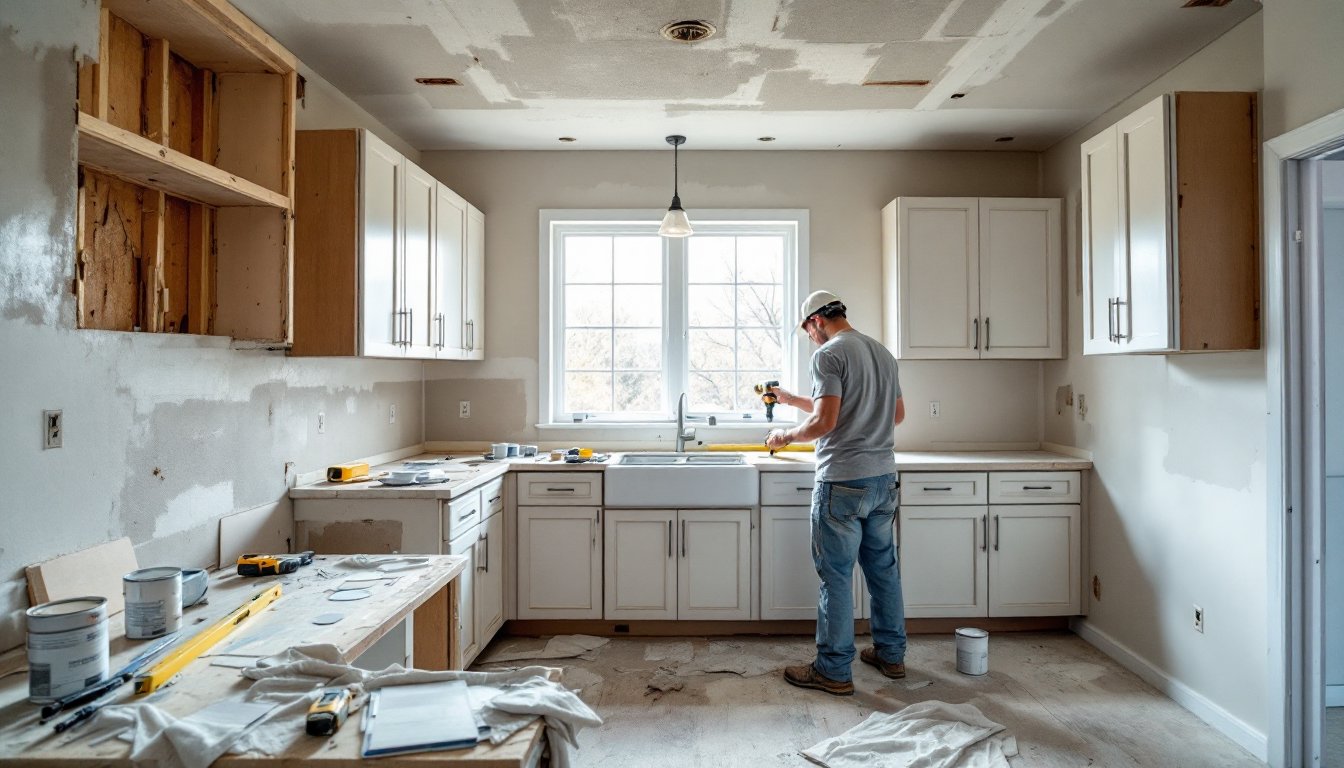
Kitchen cabinet replacement is one of those projects that can eat a budget faster than sawdust settles. Whether you’re refreshing a dated 90s kitchen or salvaging one that’s seen better days, knowing what to expect cost-wise upfront keeps surprises at bay. The price tag depends heavily on what type of cabinets you choose, stock, semi-custom, or fully custom, plus factors like your kitchen’s layout, current condition, and whether you’re handling installation yourself or hiring professionals. This guide breaks down the real numbers so you can make an well-informed choice without sticker shock.
Table of Contents
ToggleKey Takeaways
- Kitchen cabinet replacement costs range from $2,000 to $30,000+ depending on whether you choose stock ($100–$300/linear foot), semi-custom ($150–$500/linear foot), or fully custom ($500–$1,500+/linear foot) options.
- Beyond cabinet type, factors like kitchen layout, current condition, hardware upgrades, countertop work, and plumbing relocation significantly impact your total project cost.
- Professional installation typically adds $50–$150 per linear foot, while DIY installation can save $1,500–$3,000 if you have the skills and tools, though hidden challenges like uneven walls may require shims.
- Refinishing existing cabinets ($30–$100/linear foot) offers a budget-friendly alternative to full replacement if your cabinet structure is sound.
- Mixing cabinet types, timing purchases around seasonal sales (January–March and Labor Day), and handling demo work yourself can reduce replacement costs by 10–30% without sacrificing quality.
Average Cost Breakdown by Cabinet Type
Stock Cabinets
Stock cabinets are the budget-friendly option, they’re manufactured in standard sizes and shipped to a warehouse near you. You’re buying off-the-shelf, which means zero customization but maximum affordability. Expect to pay $100 to $300 per linear foot installed, though prices vary by region and finish quality. A typical 10-by-12-foot kitchen (roughly 20 linear feet of cabinetry) runs $2,000 to $6,000 for cabinets alone. The big trade-off is options: limited door styles, finishes, and hardware choices. If your kitchen has standard wall heights and square corners, stock works well. If you’ve got odd angles, sloped ceilings, or specific width requirements, you’ll struggle to find pieces that fit without filler panels or gaps.
Semi-Custom Cabinets
Semi-custom cabinets split the difference. Manufacturers build them to order in a wider range of sizes and styles, but they’re still limited compared to fully custom options. Cost runs $150 to $500 per linear foot installed, roughly 2 to 3 times the stock price. That same 10-by-12-foot kitchen could run $3,000 to $10,000 for the cabinetry. You get better door finishes, wood species, and hardware flexibility without the months-long lead times or astronomical pricing of custom builds. Most semi-custom makers offer depth variations (standard 12-inch or deeper), adjustable shelving, and specialty inserts like pull-out spice racks or trash bins. Lead times typically run 4 to 8 weeks, so plan ahead but not years ahead.
Custom Cabinets
Fully custom cabinets are built specifically for your space by a craftsperson or high-end manufacturer. You’re talking $500 to $1,500+ per linear foot installed. That same kitchen could easily exceed $10,000 to $30,000 for cabinetry alone. Custom builders use solid wood construction, hand-applied finishes, and exact specifications matched to your layout. You get drawers that glide like butter, interior accessories tailored to your workflow, and the ability to work around challenges like uneven walls. The catch: lead times stretch 12 to 16 weeks or longer, and changes mid-build cost money. Custom makes sense for high-end renovations, kitchens with unusual dimensions, or when resale value and heirloom quality matter to you.
Factors That Impact Total Replacement Cost
Cabinet type isn’t the only variable. Several factors can push your total higher or lower.
Kitchen layout and size matter enormously. A galley kitchen with 12 linear feet of uppers and lowers costs less than an L-shaped or island kitchen with 30+ feet. Island cabinetry costs extra because it’s finished on all sides and typically requires additional structural support.
Current condition and prep work get overlooked until you’re mid-project. If you’re removing old cabinets bolted to walls, expect 1 to 2 days of demo and wall repair. If water damage, mold, or structural issues lurk behind cabinets, remediation adds $500 to $2,000+. Gaps or uneven walls may require shimming, furring, or trim work that gets billed separately from cabinet installation.
Hardware, finishes, and interior accessories inflate costs fast. Premium hinges, soft-close mechanisms, drawer guides, and specialty knobs add $50 to $300+ per cabinet. Interior pulls, dividers, organizers, and spice racks increase the per-unit cost but save headaches during daily use. A basic cabinet costs less: a loaded one with pull-outs and adjustable shelving costs substantially more.
Countertop removal and replacement often ties into cabinet work. Counters typically run another $50 to $200+ per linear foot depending on material (laminate, solid surface, quartz, or slab granite). If your cabinet replacement triggers countertop work, budget separately for that.
Plumbing and electrical relocation can cost $500 to $2,000+ if sink position changes or electrical outlets need moving. Permits and inspections vary by jurisdiction but typically add $100 to $500.
Geographic location influences pricing. Labor rates in major urban markets run higher than rural areas. Material availability and shipping distances also affect final cost.
Installation and Labor Expenses
Installation is where DIY dreams can save money or professional expertise prevents disaster.
Professional installation typically costs $50 to $150 per linear foot, depending on complexity and your region. A straightforward 20-linear-foot kitchen with stock cabinets might run $1,000 to $3,000 in labor alone. Custom or challenging layouts with island work, plumbing moves, or structural issues push labor to $3,000 to $8,000+. Installation usually includes removing old cabinets, prepping walls, hanging new units, installing countertops (if included), and hardware installation. Most pros guarantee their work and handle permits where required.
DIY installation saves labor costs but demands precision, patience, and tools. Cabinet hanging requires a stud finder, level, drill with bits, and a miter saw for occasional cuts. You’re responsible for locating studs (absolutely non-negotiable, cabinets must anchor to framing, not drywall alone), finding level (walls and floors are rarely perfectly level), and managing weight distribution. A single person can hang uppers and lowers, but a helper makes the job safer and faster. Hidden pitfalls include uneven walls requiring shims, outlets or plumbing in the way, and the sheer physical demand of holding a 60-pound cabinet overhead while fastening.
Many homeowners hire professionals for installation even if they choose more affordable stock cabinets. The labor cost is relatively flat: buying cheaper cabinets doesn’t save much on installation. That said, if you’re confident with tools and your kitchen layout is straightforward, DIY installation can save $1,500 to $3,000 and is rewarding. Resources like Bob Vila and ImproveNet offer detailed installation guides and contractor recommendations if you need guidance.
Delivery and site prep add 1 to 3 weeks to your timeline. Cabinets must acclimate to your home’s temperature and humidity for 24 to 48 hours before installation, skipping this step invites warping and fit issues. Clear your kitchen fully: remove appliances if they’re being replaced, empty cabinets, and protect flooring from damage during installation.
Money-Saving Tips for Cabinet Replacement
Budget constraints don’t mean you’re stuck with cabinets you hate.
Refinish instead of replace. If your cabinet structure is solid but the finish is tired, sanding, staining, or painting costs $30 to $100 per linear foot, a fraction of replacement. This works best if you love the cabinet style and layout: if the bones are wrong, refinishing is lipstick on a problem.
Mix cabinet types. Stock cabinetry for base and uppers pairs with semi-custom specialty pieces (a spice pull-out or wine rack) for targeted upgrades. You save overall while getting custom touches where it counts.
Choose stock or semi-custom over full custom. Unless your kitchen layout is highly unusual, stock or semi-custom cabinets deliver 80% of the custom look at 30 to 50% of the cost. Modern stock finishes rival semi-custom quality.
Handle demo and prep yourself. Removing old cabinets, patching walls, and clearing the space yourself shaves $500 to $1,500 off labor if you’re comfortable with it. Disconnecting plumbing or electrical is typically contractor-only: avoid this unless licensed.
Time your purchase around sales. Kitchen cabinet retailers run seasonal promotions, especially January through March and Labor Day weekends. Waiting for a 10 to 20% discount adds real savings.
Verify permit and inspection costs upfront. Some jurisdictions charge more than others. A permit isn’t optional if your project requires one, getting caught without it leads to fines and resale headaches. Check HomeAdvisor’s pricing information for your area to estimate typical costs and see what others have spent.
Reuse or refinish existing hardware if possible. Replacing every knob and hinge adds $200 to $500: keeping what works saves cash. New hardware is affordable, but skipping it is an easy cost-cutter if your existing pieces are in good shape.