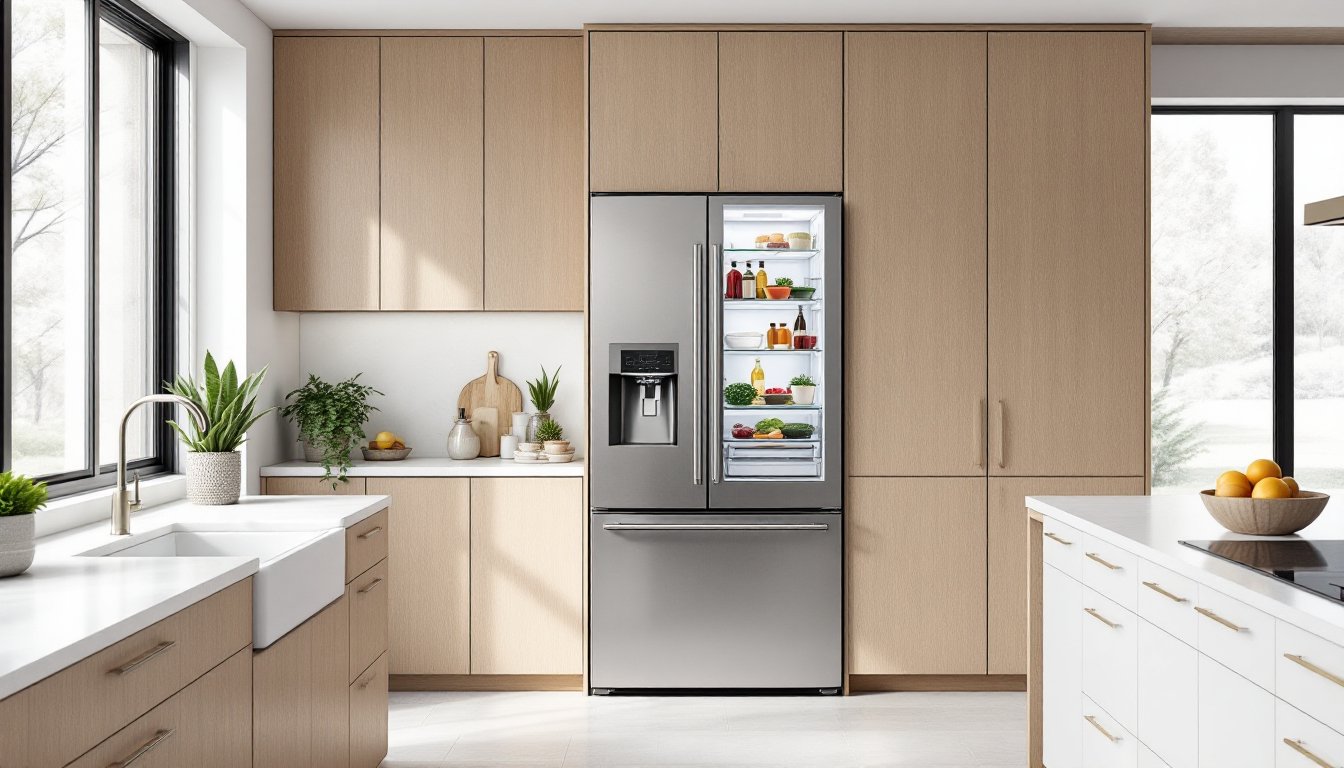
A Jenn-Air built-in refrigerator isn’t just a place to store milk and leftovers, it’s an investment in kitchen aesthetics and long-term functionality that blends seamlessly with cabinetry and architectural vision. Unlike standard freestanding units, built-in models integrate flush with your cabinet face, creating a cohesive, designer-grade appearance. Homeowners and renovation enthusiasts choose Jenn-Air for their reputation as a premium kitchen appliance brand that combines sophisticated engineering with meticulous attention to detail. Whether you’re mid-renovation or planning a kitchen overhaul, understanding what sets these refrigerators apart helps you make a confident purchasing and installation decision.
Table of Contents
ToggleKey Takeaways
- Jenn-Air built-in refrigerators integrate flush with cabinetry to create a seamless, designer-grade kitchen appearance that standard freestanding units cannot achieve.
- Advanced cooling systems with dual evaporators and humidity-controlled crisper drawers preserve food longer and reduce grocery waste over time.
- Precise installation planning is critical—measure exact rough opening dimensions, plan plumbing and electrical during the framing stage, and verify ventilation requirements to prevent compressor strain.
- A Jenn-Air built-in typically lasts 10+ years; quarterly condenser coil cleaning, semi-annual water filter replacement, and regular gasket checks keep your unit running efficiently.
- Mid-range to premium models offer smart home connectivity and specialized storage zones, but prioritize features you’ll actually use rather than paying for unnecessary add-ons.
What Makes Jenn-Air Built-In Refrigerators Different
Premium Design and Customization Options
Jenn-Air built-in refrigerators earn their price premium through design flexibility that standard refrigerators can’t match. They’re engineered to sit 24 to 27 inches deep, flush with standard cabinetry, so there’s no bulky overhang disrupting your kitchen line. That flush integration is what separates a built-in from a counter-depth unit, it’s the difference between a polished kitchen and one that feels incomplete.
Customization runs deep. Many models allow you to choose panel-ready fronts, meaning the cabinet door that matches your kitchen gets mounted directly onto the fridge face. This approach turns the appliance into invisible architecture. Stainless-steel finishes, glass doors on freezer sections, and variable shelf configurations let you tailor the unit to both your kitchen’s style and your family’s storage habits. If your kitchen leans toward minimalist Scandinavian or bold modern, Jenn-Air offers finishes and handle options to match that vision.
The interior layout reflects professional-grade thinking. Adjustable shelving accommodates everything from sheet trays to tall bottles without forcing you into an awkward puzzle game every time you restock. LED lighting is standard, it’s brighter and cooler than older halogen systems, so you actually see what’s in there at 11 p.m. when you’re hunting for leftovers.
Premium built-in models from brands like Jenn-Air are featured in discussions of luxury kitchen appliance brands, where testing laboratories evaluate them alongside other designer brands for performance and durability.
Key Features and Technology You Should Know About
Smart Cooling Systems and Food Preservation
Jenn-Air’s engineering focuses on precision temperature control, which is where the durability and cost separation really happen. Advanced compressor systems maintain narrower temperature swings than conventional refrigerators, which means your produce stays crisp longer and dairy doesn’t spoil unexpectedly. Some models include dual evaporators, separate cooling circuits for the fridge and freezer, so you’re not borrowing cold air from your vegetables to freeze ice cream.
Humidity management is often overlooked but critical. Higher-end Jenn-Air units include humidity-controlled crisper drawers that let you dial in moisture levels for different produce types. Leafy greens want high humidity: apples and stone fruits prefer drier conditions. It’s a small detail that extends the usable life of groceries by days, and over a year, that translates to both food waste reduction and real savings.
Many current models integrate smart home connectivity, letting you check internal temperatures, receive alerts if the door’s been left ajar, or get notifications about maintenance needs via a smartphone app. It’s a modern convenience, but it’s not essential to the core function, weigh whether you’ll actually use it before paying extra for the feature.
Ice makers and water dispensers on built-in models are tucked into the door or internal plumbing rather than sticking out, maintaining that seamless cabinet look. If you’re installing a built-in, you’ll need access to a water line and drain connection during the roughing phase, so plan that during your framing stage. Kitchen design resources like The Kitchn offer practical guidance on positioning appliances during the planning stage.
Installation and Integration Considerations
Built-in refrigerator installation differs significantly from dropping a freestanding unit in place. You’ll need precise cabinet opening measurements, nominal dimensions can vary 1/2 inch or more between models, and that gap matters when you’re working within cabinetry that’s been framed to specific tolerances. Always obtain the exact rough opening dimensions from the manufacturer’s spec sheet before your cabinet fabricator sizes the opening.
Plumbing and electrical are non-negotiable. The water line must be accessible during the roughing phase, typically a 1/4-inch copper or PEX line routed through walls or under cabinets to the refrigerator location. The drain line needs slope toward a suitable drain or condensate pan. Both should be installed before the cabinets are fully assembled. A 240-volt dedicated circuit isn’t usually required (many units run on standard 115V), but check your model’s electrical specifications.
Ventilation requirements vary. Unlike freestanding models that exhaust heat out the back, many built-in units need proper circulation space or specific ventilation systems to prevent heat buildup behind cabinetry. Some manufacturers specify minimum clearances: others require a ventilation system installed in the soffit or ceiling above. Ignore this and you’ll get a compressor that works overtime, shortens its lifespan, and costs more to run.
Height, depth, and width matter. Built-ins are typically 84 to 91 inches tall (designed to fit under standard 36-inch uppers with countertop overhang), 24 to 27 inches deep, and 36 to 48 inches wide. If your space is non-standard, say, you have a 35-inch opening instead of 36 inches, custom cabinetry paneling and filler strips are your only workaround. Factor that into your timeline and budget.
Maintenance Tips to Keep Your Unit Running Smoothly
Built-in refrigerators need the same foundational care as any refrigerator, but their integrated position makes some tasks less obvious. Dust accumulation on the condenser coils, whether they’re located behind a grille at the base or on the back, reduces efficiency and taxes the compressor. Pull the kickplate off quarterly and vacuum those coils with a brush attachment. It takes five minutes and extends the unit’s working life by years.
Water filters need replacement every six months if you have an ice maker or water dispenser. A clogged filter doesn’t just slow water flow: it can damage the internal solenoid and create leaks inside the cabinet framing. Always have the replacement on hand so you don’t postpone it.
Door seals (gaskets) are your refrigerator’s first line of defense against air infiltration. If the seal is compromised, the compressor runs constantly trying to maintain temperature. Check the seal visually for cracks or warping, and do the old “dollar bill test”, close the door on a dollar bill: if it pulls out without resistance, the seal needs replacement. Replacement gaskets are usually around $50 to $100 and can be swapped in less than an hour.
Interior humidity and condensation are worth monitoring. If you’re seeing frost buildup inside the refrigerator (not the freezer), the defrost cycle might be struggling, which requires professional service. Don’t delay, continued moisture buildup encourages mold and can damage the cabinet interior.
Comparing Jenn-Air Models and Finding the Right Fit
Jenn-Air offers models across several capacity and feature tiers. The fundamental split is between built-in refrigerators with traditional hinges (a door that swings out) and side-by-side configurations (freezer on one side, fridge on the other). Side-by-sides are narrower per section but taller, so they work better in galley kitchens or narrow openings: traditional top-freezer or French-door layouts give you more flexibility with shelf arrangements.
Capacity ranges from 18 to 25+ cubic feet on built-in models. Larger families benefit from the bigger numbers, but oversized appliances can feel wasteful if you’re not filling them regularly. Do an honest assessment of your household’s fresh produce turnover, frozen goods volume, and entertaining frequency. A 20-cubic-foot built-in typically handles a family of four comfortably without requiring frequent reorganization.
Feature sets vary by tier. Entry-level built-ins include humidity controls and LED lighting but skip smart connectivity and some advanced compressor options. Mid-range models add ice makers, water dispensers, and smartphone integration. Premium lines introduce features like dual-compressor systems, specialized meat or produce zones, and touch-screen control panels. Decide which features align with how you actually cook and store food, paying $3,000 extra for a zone you’ll never use is money down the drain.
When comparing specific models, look at energy consumption ratings (BTU/hour and estimated annual kWh usage). Built-ins are generally more efficient than older freestanding units because of their sealed construction and precise temperature management, but efficiency varies between models. Over 10+ years (the typical lifespan of a quality built-in), the difference between a 500 kWh/year model and a 650 kWh/year model is roughly $150 to $200 in additional electricity costs. Design inspiration and functional planning resources like Remodelista can help visualize how different refrigerator styles fit into overall kitchen aesthetics.