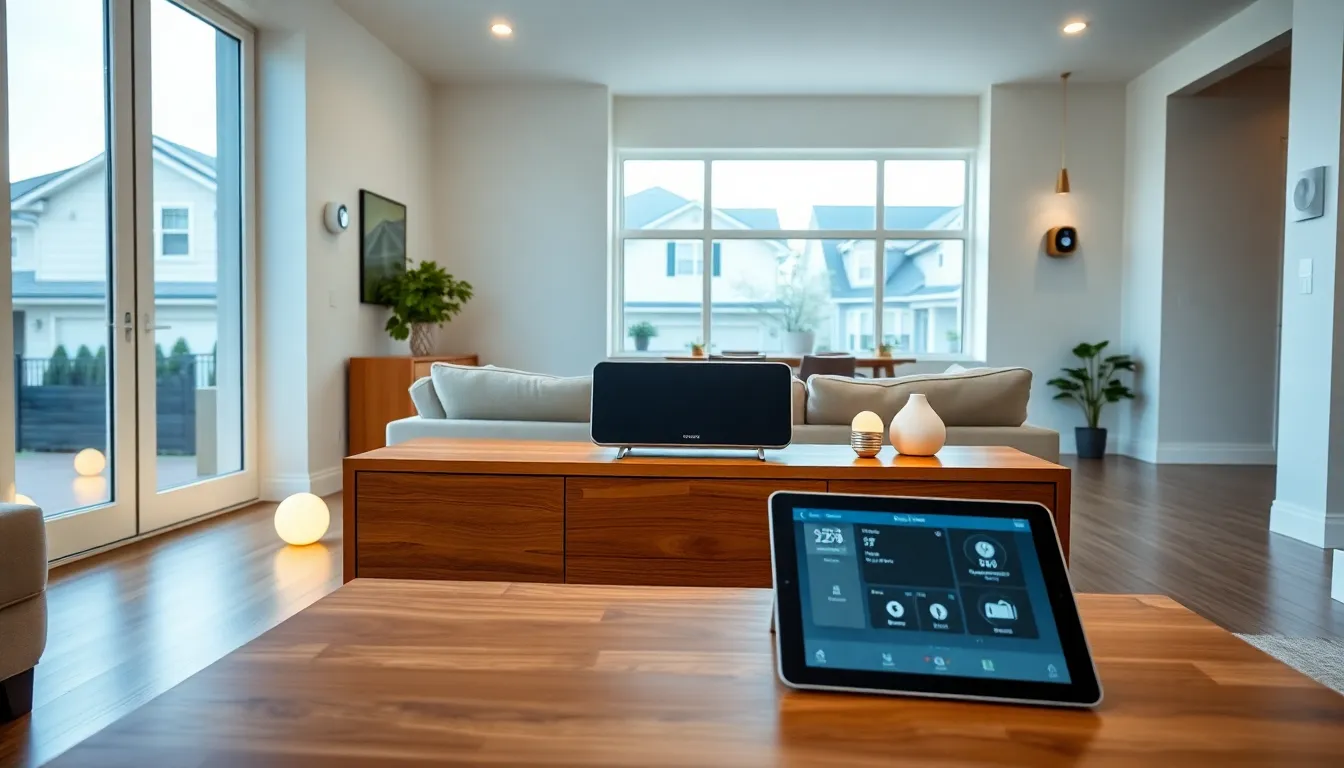
The best smart home tech transforms ordinary houses into connected, efficient living spaces. From voice-controlled speakers to automated climate systems, these devices save time, cut energy costs, and add convenience to daily routines. Whether someone wants to secure their property, reduce electricity bills, or simply turn off the lights without leaving the couch, smart home technology delivers practical solutions. This guide covers the top smart home tech categories that make the biggest impact on modern homes.
Table of Contents
ToggleKey Takeaways
- Smart speakers like Amazon Echo and Google Nest serve as the central hub for controlling all your smart home tech with simple voice commands.
- Smart lighting systems deliver immediate results with automation features, energy savings of 10-20%, and budget-friendly options starting under $30.
- Video doorbells and smart locks provide 24/7 security monitoring while letting you grant access to visitors from anywhere via smartphone.
- Smart thermostats offer the fastest financial return, often paying for themselves within two years through reduced energy bills.
- Start your smart home tech journey with an affordable smart speaker or smart bulbs to experience the convenience before expanding your setup.
Smart Speakers and Voice Assistants
Smart speakers serve as the central hub for most smart home tech setups. Devices like Amazon Echo, Google Nest, and Apple HomePod respond to voice commands and control other connected devices throughout the home.
These voice assistants handle tasks that once required multiple steps. They play music, set timers, answer questions, and control compatible smart home tech with simple spoken phrases. A user can say “turn off the bedroom lights” or “set the thermostat to 72 degrees” without touching a single switch.
Amazon’s Alexa leads the market with the widest device compatibility. Google Assistant excels at answering complex questions and integrating with Google services. Apple’s Siri through HomePod offers the tightest integration with iPhones and other Apple products.
For those starting their smart home tech journey, a smart speaker makes the ideal first purchase. Prices range from $30 for basic models to $300 for premium speakers with superior sound quality. The Amazon Echo Dot and Google Nest Mini offer excellent entry points without a major investment.
Multi-room audio represents another advantage of smart speakers. Users can group speakers throughout their home and play synchronized music in every room. This feature alone justifies the investment for music lovers who want their favorite songs following them from kitchen to living room.
Smart Lighting Systems
Smart lighting ranks among the most popular categories of smart home tech because it delivers immediate, visible results. These systems replace traditional bulbs and switches with connected alternatives that respond to voice commands, schedules, and automation routines.
Philips Hue dominates the premium smart lighting market. Its bulbs offer millions of color options and connect through a dedicated hub. Users can set scenes that match their mood, bright white for working, warm amber for relaxing, or colorful themes for parties.
WYZE and Sengled provide budget-friendly alternatives that don’t sacrifice essential features. These brands skip the dedicated hub and connect directly through WiFi. A four-pack of smart bulbs now costs less than $30, making smart home tech accessible to almost any budget.
Smart switches offer another approach to connected lighting. Brands like Lutron Caseta and TP-Link Kasa replace existing wall switches. This method works with any standard bulb and makes more sense for homes with multiple bulbs on single circuits.
Automation possibilities set smart lighting apart from traditional options. Lights can turn on at sunset, dim gradually at bedtime, or flash when someone rings the doorbell. Motion sensors add hands-free control to hallways and bathrooms.
Energy savings provide a practical benefit beyond convenience. Smart bulbs use LED technology and can be scheduled to turn off when rooms are empty. Many households report 10-20% reductions in lighting costs after switching to smart home tech solutions.
Smart Security and Surveillance
Smart security systems represent some of the most valuable smart home tech investments. These devices monitor homes around the clock and send instant alerts when they detect unusual activity.
Video doorbells from Ring, Nest, and Eufy show visitors before the door opens. Users see live video feeds on their smartphones and can speak with delivery drivers or guests from anywhere. Package theft drops significantly when would-be thieves see a camera watching them.
Indoor and outdoor cameras extend surveillance coverage throughout the property. Modern smart home tech cameras include night vision, two-way audio, and cloud storage for recorded footage. Wireless options like Blink and Arlo eliminate the need for professional installation.
Smart locks add another security layer. August, Schlage, and Yale offer models that unlock with smartphone apps, PIN codes, or fingerprints. Homeowners can grant temporary access to guests or service workers without copying physical keys. Auto-lock features ensure doors secure themselves after a set time.
Complete security systems from SimpliSafe, Ring Alarm, and Abode combine multiple sensors into unified packages. Door and window sensors, motion detectors, and sirens work together to protect entire homes. Professional monitoring costs $10-25 monthly for those who want 24/7 response services.
Integration matters with security smart home tech. The best systems connect with other devices, lights can flash during alarms, cameras can record when motion sensors trigger, and locks can secure automatically when the system arms.
Smart Thermostats and Climate Control
Smart thermostats deliver the fastest financial return of any smart home tech category. These devices learn household patterns and optimize heating and cooling schedules to reduce energy waste.
The Nest Learning Thermostat pioneered this category. It tracks when residents are home, adjusts temperatures during sleep hours, and adapts to seasonal changes. Most users see their thermostats pay for themselves within two years through energy savings.
Ecobee thermostats include room sensors that detect occupancy and temperature variations throughout the home. Instead of heating or cooling based on a single thermostat location, the system balances comfort across multiple rooms. This approach prevents the common problem of freezing bedrooms while living rooms stay warm.
Budget options like the Amazon Smart Thermostat and Wyze Thermostat cost under $100 and provide essential smart home tech features. They work with Alexa or Google Assistant for voice control and support basic scheduling through smartphone apps.
Geofencing uses smartphone location to trigger automatic adjustments. The system detects when all household members leave and shifts to energy-saving mode. It then pre-heats or pre-cools the home as someone approaches, ensuring comfort upon arrival.
Utility rebates often reduce the upfront cost of smart thermostats. Many power companies offer $50-100 incentives for installing these energy-efficient devices. A quick check with the local utility reveals available programs.
Smart vents and fans extend climate control capabilities. Devices like Flair smart vents direct conditioned air to occupied rooms. Smart ceiling fans from Hunter and Big Ass Fans adjust speed based on temperature readings.